 EN
EN
 FR
FR
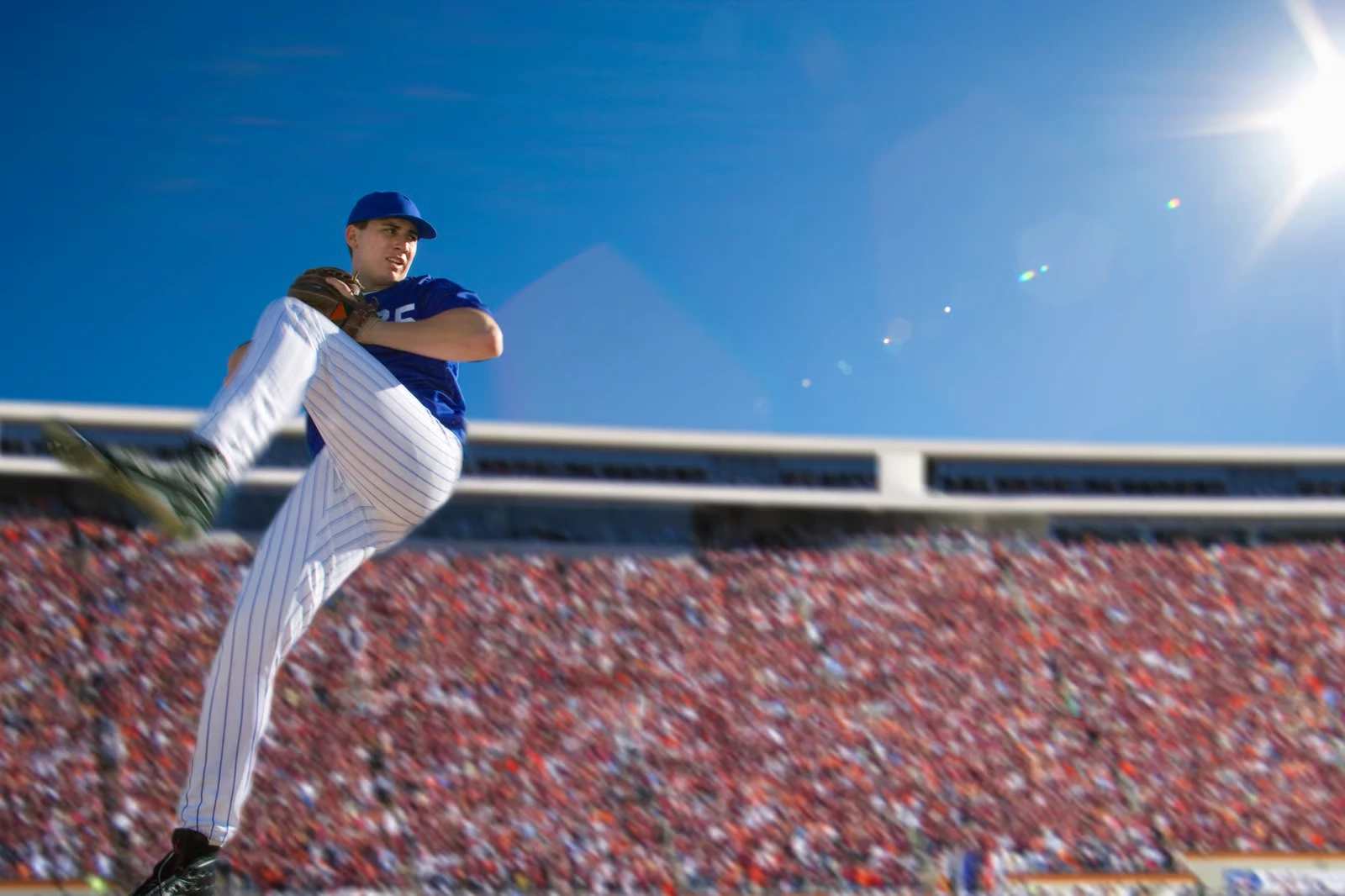
The 2026 MLB Trade Deadline has passed, and the final two months of the regular season are now in focus.
This year’s deadline was set for Monday, August 3 at 6 p.m. ET. It marked the final point in the season when players on 40-man rosters could be traded from one club to another. After that point, teams can still use outright waivers, but standard trades involving 40-man roster players are no longer allowed.
That makes the period immediately after the deadline one of the most important parts of the MLB calendar. Contenders have made their final major roster adjustments, sellers have shifted toward the future, and teams in the middle now have to prove whether they are serious postseason threats.
For fans and bettors, the stretch run is where baseball becomes more intense. Every series can affect division races, wild-card positioning, pitching plans and late-season market movement.
If you are following baseball markets on PIWI247, the PIWI Sports Provider page is a good starting point for understanding the platform’s sports betting features.
Why the MLB Trade Deadline Matters
The trade deadline is not just a transaction date. It can change the direction of a team’s season.
A contender may add a starting pitcher, bullpen arm or power bat to improve its postseason chances. A rebuilding team may trade veterans for prospects. A fringe playoff team may decide whether to buy, sell or make smaller moves.
After the deadline, teams can no longer rely on major trades to fix problems. If a club still has rotation depth issues, bullpen weakness or lineup imbalance, it has to manage those problems internally for the rest of the season.
That is why the deadline matters for bettors. Roster changes can affect:
- Starting pitching depth
- Bullpen usage
- Lineup strength
- Defensive quality
- Clubhouse momentum
- Postseason odds
- Wild-card positioning
- Late-season betting markets
For users who want to compare different sports and betting markets, the PIWI247 Betting Exchange can also help explain exchange-style betting options.
Contenders Load Up for the Postseason Push
At the deadline, contending teams usually focus on immediate needs. That can mean adding a starting pitcher for October, a high-leverage reliever for close games, or a hitter who can strengthen the middle of the order.
These moves can matter quickly. A new starter may change a team’s rotation outlook within days. A new reliever can immediately affect late-inning betting markets. A new bat may improve run production, especially for teams struggling against left-handed or right-handed pitching.
But deadline additions do not always guarantee instant success. New players need time to adjust to a new clubhouse, new coaching staff and new ballpark. Some players perform immediately, while others take weeks to settle.
For bettors, the key is not just asking, “Who won the deadline?” The better question is:
Did this team fix the weakness that was actually costing them games?
Sellers Shift Toward the Future
Not every team approaches the deadline with the same goal.
Teams out of the playoff race often use the deadline to move veterans, reduce salary or collect prospects. This can make them less competitive in the short term, especially if they trade reliable pitching or everyday hitters.
However, not every seller becomes an automatic fade. Some younger players perform well when given regular opportunities. A team that sells may still be competitive if its farm system has ready talent or if the remaining roster stays motivated.
When evaluating sellers after the deadline, bettors should look at:
- Which players were traded
- Who replaces them on the roster
- Whether the bullpen got weaker
- Whether the team lost rotation depth
- Whether prospects are being called up
- Whether the team is still competitive at home
- Whether motivation may drop late in the season
A team’s deadline direction can affect betting markets, but it should not be judged in isolation.
Wild-Card Races Become More Important
The final two months of the MLB season often come down to wild-card races.
In the modern playoff format, multiple teams can remain alive deep into September. That creates high-pressure series between teams competing for the same postseason spots. A three-game series in August or September can feel like a playoff preview if both teams are close in the standings.
Wild-card races are especially important because they affect:
- Starting pitcher usage
- Bullpen urgency
- Rest days for key players
- Late-game decisions
- Lineup strength
- Public betting interest
- Futures markets
Teams chasing a wild-card spot may manage games more aggressively. Managers might use top relievers earlier, shorten the leash on struggling starters, or avoid resting key hitters during important series.
For baseball bettors, this creates opportunities — but also risk. A motivated team is not always a winning team. You still need to evaluate pitching matchups, recent form and schedule context.
Pitching Depth Is the Biggest Stretch Run Factor
In baseball, pitching often decides the stretch run.
A team can have a strong lineup, but if the rotation is tired or the bullpen is overworked, the final months can become difficult. The trade deadline often reveals which teams understand that problem.
Contenders usually try to add:
- Starting pitchers
- Long relievers
- High-leverage bullpen arms
- Left-handed specialists
- Depth arms for injuries
This matters because late-season games can expose thin pitching staffs. Starters may be on innings limits, relievers may be tired, and injuries can create sudden gaps.
For bettors, pitching depth should be one of the first things to check before placing a baseball wager.
Key questions include:
- Who is starting?
- How many innings can he realistically pitch?
- Was the bullpen used heavily yesterday?
- Is the team playing a long road stretch?
- Did the club add pitching at the deadline?
- Are key relievers available today?
- Is the starter returning from injury?
If you are new to baseball terminology and want to understand the sport better, PIWI247’s baseball terms guide is a helpful related article.
Deadline Moves Can Affect Totals Markets
Trade deadline moves can also affect totals betting.
A team that adds power bats may improve its run-scoring potential. A team that adds bullpen help may become stronger at protecting leads. A team that sells multiple pitchers may become more vulnerable in high-scoring games.
Totals markets can be influenced by:
- Ballpark factors
- Weather
- Starting pitchers
- Bullpen condition
- Lineup changes
- Defensive quality
- Recent offensive form
- Travel schedule
Because MLB teams play almost every day, bettors should avoid relying only on season-long stats. A team’s current form and roster condition can matter more after the deadline.
For more context on baseball conditions, PIWI247 also has a guide on weather and ballpark factors in baseball betting.
Newly Acquired Players Need Context
When a player changes teams, public attention can move quickly. A major trade may cause fans and bettors to overreact before the player has even played a game for his new club.
That is why context matters.
A hitter moving to a better lineup may get more RBI opportunities. A pitcher moving to a better defensive team may benefit from stronger fielding behind him. A reliever joining a contender may be used in more high-pressure innings.
But there can also be challenges:
- New league or division
- New ballpark dimensions
- New catcher relationship
- New coaching approach
- More pressure in playoff races
- Travel and adjustment time
Not every big-name deadline move produces immediate results. Bettors should track performance over several games before making strong conclusions.
Schedule Strength Matters After the Deadline
After the deadline, schedule strength becomes more important.
A team may look strong in the standings, but its upcoming schedule could be difficult. Another team may have an easier path because it faces weaker opponents or plays more games at home.
Important schedule factors include:
- Number of road games
- Long travel stretches
- Series against division rivals
- Games against playoff contenders
- Rest days
- Doubleheaders
- Opponent pitching quality
- Matchups against left-handed or right-handed starters
This matters because the final two months are not just about talent. They are about endurance, depth and execution across a long schedule.
Live Betting Can Be Useful During the Stretch Run
MLB games can change quickly, especially late in the season. A strong starter may exit early, a bullpen may collapse, or a lineup may struggle against an unexpected matchup.
Live betting can help users react to what is happening during the game rather than relying only on pre-game assumptions.
Live betting factors to watch include:
- Pitch count
- Bullpen activity
- Hard contact
- Defensive mistakes
- Weather changes
- Umpire strike zone
- Base-running pressure
- Manager decisions
For users who want to understand broader live market behavior, the PIWI247 Sports FAQ can help explain common sports betting features.
What Bettors Should Watch in August and September
As the regular season moves toward September, bettors should monitor both team performance and roster health.
The most important stretch-run signals include:
1. Bullpen fatigue
A tired bullpen can turn close games into losses. Always check recent usage before betting.
2. Rotation stability
Teams with reliable starters usually have an advantage in playoff races.
3. Deadline fit
A trade only matters if it solves a real problem. Look at how the new player fits the roster.
4. Motivation
Teams in wild-card races may manage more aggressively than teams with little left to play for.
5. Injury reports
Late-season injuries can change lineups, rotations and bullpen roles quickly.
6. Home and road splits
Some MLB teams perform very differently depending on ballpark and travel.
7. Market overreaction
Public betting interest can inflate prices after a big trade or winning streak.
Responsible Baseball Betting Reminder
The MLB stretch run is exciting, but it can also be unpredictable. Teams play often, lineups change quickly, and pitching decisions can shift from day to day.
Before placing a bet, users should:
- Set a budget
- Avoid chasing losses
- Check lineups and starting pitchers
- Review bullpen usage
- Understand the market
- Follow local laws
- Read platform terms and conditions
PIWI247 is intended for users aged 18 and above. Gambling involves risk, and responsible gaming should always come first.
Final Thoughts
The 2026 MLB Trade Deadline is over, and the stretch run is officially underway. Contenders have made their moves, sellers have shifted direction, and wild-card races are beginning to tighten.
For fans, this is one of the most exciting parts of the baseball season. For bettors, it is also one of the most complex. Deadline moves matter, but they are only part of the picture. Pitching depth, bullpen usage, schedule strength, injuries and motivation all play a major role in late-season performance.
The teams that handled the deadline well may have improved their chances, but the final two months will decide who truly has the roster to survive the postseason push.
Frequently Asked Questions (FAQs)
What is the best betting strategy for the Champions League?
The best betting strategy depends on the market you choose. However, analysing team form, studying tactical matchups, and considering home and away performances are essential. Many experienced bettors also take advantage of live betting to capitalise on in-game developments.
How do odds fluctuate in Champions League betting?
Odds change throughout the tournament based on team performances, injuries, and knockout round draws. A team that starts as an underdog might see their odds shorten if they perform well in the group stages or knock out a favourite.
What is the safest bet in Champions League football?
There is no guaranteed safe bet, but options like “Over 1.5 Goals,” “Both Teams to Score,” or “Double Chance” (backing two outcomes) often have lower risk. Betting on strong teams to qualify from the group stage can also be a safer long-term approach.
Kyle Daly
Is a 35-year-old sportswriter who enjoys walking, jogging, and other physical sports. He started in different blogging platforms and is now a guest blogger for PIWI247. He loves basketball the most. Follow him on Quora today.