 EN
EN
 FR
FR
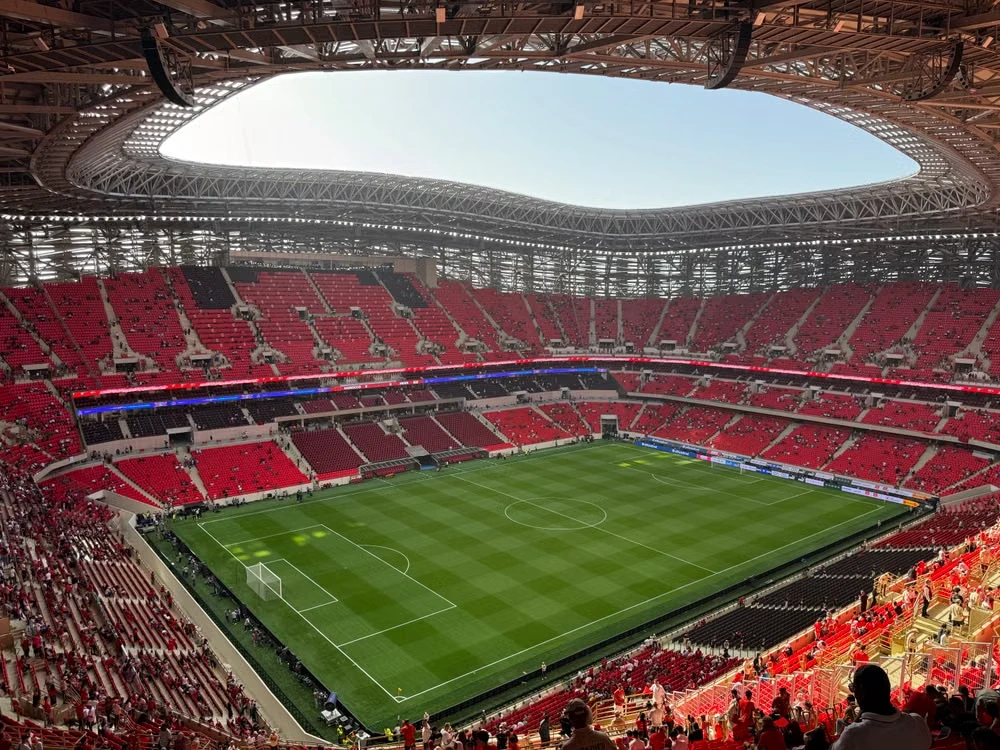
The UEFA Nations League 2026 returns in late September with one of the busiest international football windows of the year.
The 2026/27 league phase begins with Matchdays 1–4 running from 24 September to 6 October 2026, giving most teams four competitive matches in quick succession. UEFA confirmed that Matchday 1 runs from 24–26 September, Matchday 2 from 27–29 September, Matchday 3 from 30 September–3 October, and Matchday 4 from 4–6 October.
That makes this window important for national teams, fans and football bettors. The Nations League is not a friendly tournament. It affects promotion, relegation, knockout qualification and, for some teams, future Euro play-off opportunities. UEFA says the competition was created to reduce meaningless friendlies and give European nations competitive matches against similarly ranked teams.
For more football previews and sports features, readers can visit the PIWI247 Sports Blog or explore wider sports coverage through PIWI247’s Sports Provider.
Quick Facts: UEFA Nations League 2026
|
Detail |
Information |
|
Competition |
UEFA Nations League 2026/27 |
|
Stage |
League phase |
|
Matchdays covered |
Matchday 1–4 |
|
Main window |
24 September to 6 October 2026 |
|
Matchday 5–6 |
12–17 November 2026 |
|
Finals |
9–13 June 2027 |
|
Main storyline |
Four competitive international matches in less than two weeks |
|
Key fixtures |
Netherlands vs Germany, England vs Spain, Belgium vs France |
Why Does the UEFA Nations League 2026 Matter?
The UEFA Nations League 2026 matters because it gives international football more competitive meaning between major tournaments.
Instead of playing only friendlies, European nations compete in leagues with promotion, relegation and knockout-stage stakes. Teams in League A are fighting for places in the final tournament, while teams in lower leagues are trying to move up or avoid dropping down.
The 2026/27 edition is also expected to connect with qualification routes for UEFA EURO 2028, giving some teams another route into future play-offs based on their Nations League performance.
Quote-ready summary:
The UEFA Nations League 2026 matters because it turns the international break into a competitive window where every result can affect promotion, relegation, finals qualification and future Euro play-off chances.
For fans learning how international form can influence match expectations, sports knowledge: the key to successful betting online is a useful supporting guide.
What Is the Format for the 2026/27 UEFA Nations League?
The competition uses a league system split across League A, League B, League C and League D.
UEFA confirmed that League A, B and C teams are set to play six fixtures each, while League D nations play four matches each during the league phase.
The biggest teams are placed in League A, where the group winners can move toward the knockout stage and final tournament. Lower-league teams are fighting for promotion, while poor performers face relegation or play-offs.
|
League |
What Teams Are Playing For |
|
League A |
Finals qualification and title contention |
|
League B |
Promotion to League A and avoiding relegation |
|
League C |
Promotion chances and survival battles |
|
League D |
Promotion opportunity and development pathway |
This format makes Matchdays 1–4 especially important. A team that starts strongly can control its group before November. A team that loses early may spend the rest of the campaign chasing points.
What Are the League A Groups?
League A contains some of the strongest and most interesting groups in the competition.
UEFA listed the League A groups as follows: Group A1 includes France, Italy, Belgium and Türkiye; Group A2 includes Germany, Netherlands, Serbia and Greece; Group A3 includes Spain, Croatia, England and Czechia; and Group A4 includes Portugal, Denmark, Norway and Wales.
|
Group |
Nations |
Main Storyline |
|
A1 |
France, Italy, Belgium, Türkiye |
Star power, new coaching stories and heavyweight fixtures |
|
A2 |
Germany, Netherlands, Serbia, Greece |
Rivalry matches and tactical resets |
|
A3 |
Spain, Croatia, England, Czechia |
EURO 2024 rematch and difficult away trips |
|
A4 |
Portugal, Denmark, Norway, Wales |
Portugal’s title defence and Haaland’s League A test |
League A is where the biggest attention will go, but League B and League C also matter because promotion and relegation battles often create dramatic late-window fixtures.
Which Matchday 1–4 Fixtures Should Fans Watch?
UEFA highlighted several fixtures as stand-out games, including Netherlands vs Germany, England vs Spain and Belgium vs France. These fixtures give the opening window immediate weight because they involve traditional rivalries, elite players and high-stakes group positioning.
|
Fixture |
Date |
Why It Matters |
|
Netherlands vs Germany |
24 September |
Classic rivalry and major League A2 opener |
|
England vs Spain |
26 September |
EURO 2024 final rematch at Wembley |
|
Belgium vs France |
28 September |
Border rivalry and League A1 pressure |
|
Spain vs Croatia |
29 September |
Tough early test in Group A3 |
|
Croatia vs England |
3 October |
Away challenge with group-shaping potential |
|
Denmark vs Portugal |
1 October |
Key fixture in Portugal’s group |
The most eye-catching opener is arguably England vs Spain. UEFA described it as a rematch of the UEFA EURO 2024 final, with Spain again targeting Nations League glory and England looking to test themselves against top opposition.
Why Is England vs Spain So Important?
England vs Spain is important because it brings together two of Europe’s biggest football nations in a competitive setting.
England are back in League A after winning promotion in the previous Nations League edition, while Spain enter the competition with major expectations. UEFA noted that England coach Thomas Tuchel wanted a competitive group and said England wanted to play against the best.
This match can set the tone for Group A3. A win gives either team immediate control. A loss creates pressure before matches against Croatia and Czechia.
For fans interested in football betting basics, beginners guide to understanding soccer odds and the soccer betting guide are strong supporting reads.
Why Is Netherlands vs Germany a Must-Watch Fixture?
Netherlands vs Germany is a must-watch because it is one of European football’s classic rivalries.
UEFA listed the fixture for 24 September and noted that it comes in a group where both teams also face Serbia and Greece. A positive start is important because one early defeat can make the rest of the group much harder.
This match also has tactical intrigue. Rivalry matches are often emotional, but Nations League games now carry real table consequences. Germany and the Netherlands cannot treat this as a warm-up.
Quote-ready summary:
Netherlands vs Germany is more than a rivalry match because it can immediately shape the direction of Group A2.
Which Players Could Define the Opening Window?
Several players could shape the opening Nations League window.
UEFA highlighted Erling Haaland as the competition’s all-time top scorer with 19 goals, four clear of the next player. Norway’s promotion to League A means Haaland now has a stronger stage against Portugal, Denmark and Wales.
UEFA also noted Viktor Gyökeres, who was the top scorer in the 2024/25 Nations League as Sweden earned promotion from League C. His next challenge is helping Sweden compete at a higher level.
|
Player |
Nation |
Storyline |
|
Erling Haaland |
Norway |
Can he keep scoring after Norway’s promotion to League A? |
|
Viktor Gyökeres |
Sweden |
Can his goals help Sweden adjust to a higher league? |
|
Lamine Yamal |
Spain |
Key attacking talent in Spain’s major fixtures |
|
Jude Bellingham |
England |
Central figure in England’s midfield battles |
|
Kylian Mbappé |
France |
Match-winning threat in a tough Group A1 |
For player-focused football analysis, readers can also explore home advantage in football betting trends.
What Makes Matchdays 1–4 So Difficult?
Matchdays 1–4 are difficult because teams must play multiple competitive matches in a short period.
UEFA confirmed that the 2026/27 league phase starts with a prolonged international window from 24 September to 6 October, during which teams generally play four Nations League matches close together.
That creates several challenges:
|
Challenge |
Why It Matters |
|
Player fatigue |
Four matches in a short window can affect sharpness |
|
Squad rotation |
Managers must balance minutes and fitness |
|
Travel |
Away fixtures can disrupt preparation |
|
Tactical changes |
Teams may need to adapt quickly between opponents |
|
Injuries |
Depth becomes more important across the window |
This is where national-team depth matters. A team with only one strong starting XI may struggle if injuries or fatigue hit. A deeper squad can rotate while staying competitive.
What Are the Biggest Storylines to Follow?
1. Can Portugal defend its Nations League crown?
Portugal won the 2025 Nations League final against Spain, with UEFA listing the 2025 final result as Portugal beating Spain on penalties after a 2-2 draw.
2. Can England survive Group A3?
England face Spain, Croatia and Czechia in a difficult League A group. The early window could quickly show whether England are ready to challenge at the top level.
3. Can Haaland dominate in League A?
Norway’s promotion means Haaland gets bigger Nations League tests against Portugal, Denmark and Wales.
4. Which promoted teams can adapt quickly?
Promotion sounds positive, but it also means tougher opponents. Teams moving up must adjust quickly or risk being pushed back down.
5. Which traditional powers are under pressure?
France, Italy, Germany, Netherlands, Spain, England and Portugal all carry expectations. A poor opening window can create headlines quickly.
Follow More Football and Sports Coverage
Stay updated with international football previews, major fixtures and sports news through the PIWI247 Sports Blog. You can also explore the PIWI247 Blog for betting guides, sports explainers and weekly event previews.
Conclusion
The UEFA Nations League 2026 Matchday 1–4 window is one of the strongest international football events of September.
With four matchdays packed between 24 September and 6 October, teams have little room for slow starts. League A delivers major fixtures such as Netherlands vs Germany, England vs Spain and Belgium vs France, while the lower leagues bring promotion, relegation and survival storylines.
For fans, this is a chance to watch international football with real stakes. For teams, it is a chance to build momentum, protect rankings and move closer to the knockout stage or promotion.
The Nations League was created to make international football more competitive, and this opening window is exactly why it matters.
Frequently Asked Questions (FAQs)
When does the UEFA Nations League 2026 start?
The UEFA Nations League 2026/27 league phase starts on 24 September 2026, with Matchday 1 running from 24–26 September.
When are UEFA Nations League Matchdays 1–4?
Matchday 1 is 24–26 September, Matchday 2 is 27–29 September, Matchday 3 is 30 September–3 October, and Matchday 4 is 4–6 October 2026.
What are the biggest UEFA Nations League fixtures to watch?
Some of the biggest fixtures include Netherlands vs Germany, England vs Spain and Belgium vs France.
What is the UEFA Nations League format?
The competition uses a league structure with promotion and relegation. League A teams compete for places in the knockout stage and final tournament, while lower-league teams fight for promotion or survival.
When are the UEFA Nations League 2026/27 finals?
The final tournament is scheduled for 9–13 June 2027.
Kyle Daly
Is a 35-year-old sportswriter who enjoys walking, jogging, and other physical sports. He started in different blogging platforms and is now a guest blogger for PIWI247. He loves basketball the most. Follow him on Quora today.