EN
 FR
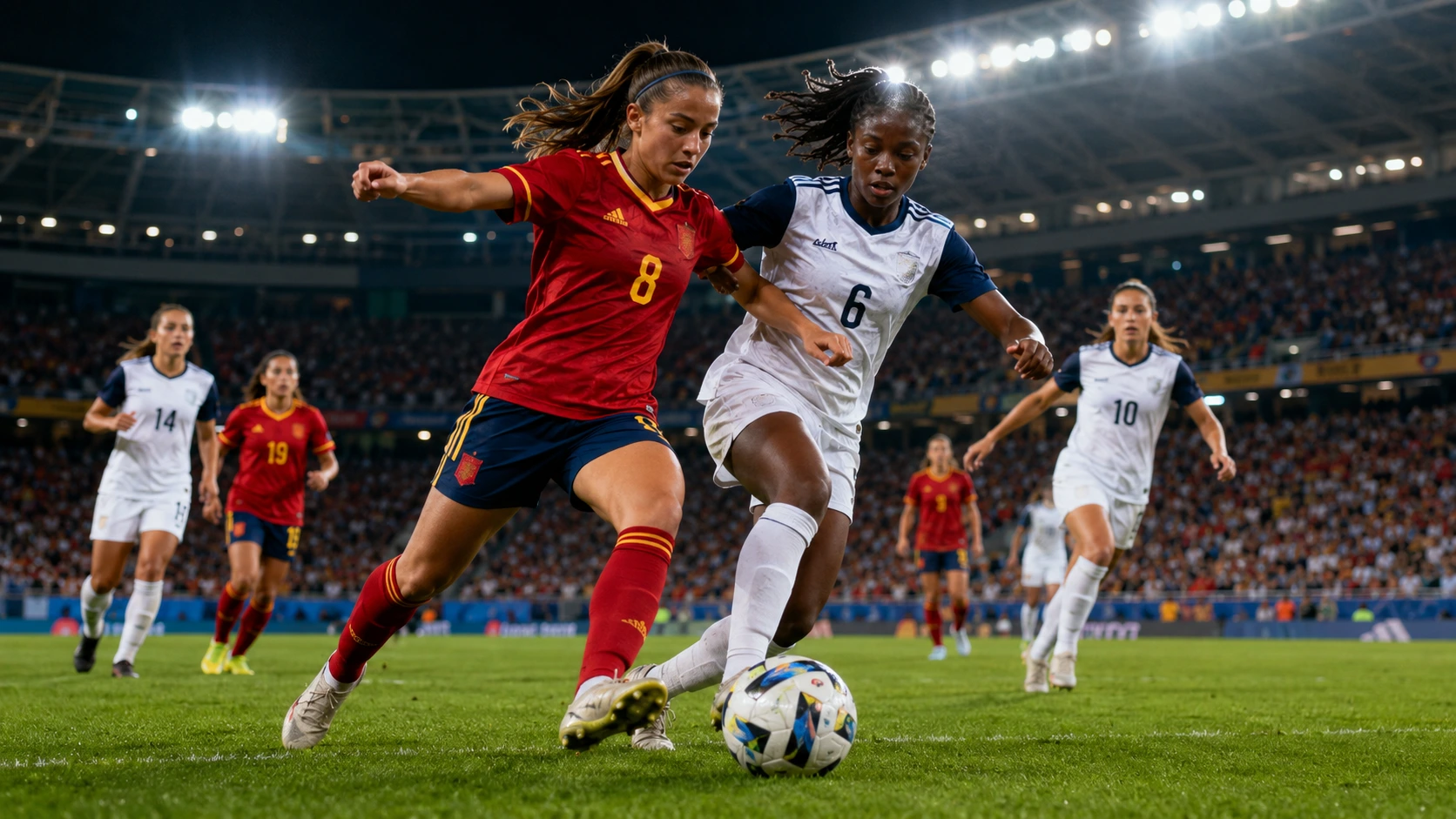
The FIFA U-20 Women’s World Cup 2026 is one of the most important women’s football tournaments on the September sports calendar.
Hosted in Poland, the tournament brings together the next generation of elite women’s footballers from around the world. It runs from 5 to 27 September 2026 and features 24 teams across six groups. FIFA confirmed that Poland will host the competition across four cities: Bielsko-Biała, Katowice, Łódź and Sosnowiec.
For fans, this tournament is a chance to see future senior internationals before they become household names. For women’s football, it is another major stage showing how fast the global game is growing.
Readers can follow more football previews and tournament guides through the PIWI247 Sports Blog and explore wider sports coverage through PIWI247’s Sports Provider.
Quick Facts: FIFA U-20 Women’s World Cup 2026
FIFA has described the 2026 edition as the tournament’s 12th edition, with Korea DPR entering as the current holders after winning the 2024 tournament in Colombia.
Why Is the FIFA U-20 Women’s World Cup 2026 Important?
The FIFA U-20 Women’s World Cup matters because it often reveals the next generation of senior stars.
Many players who perform well at U-20 level later become important figures for their senior national teams. The tournament gives young players experience in knockout football, international pressure, travel demands and tournament-style schedules.
It also matters because Poland 2026 is another sign of the growth of women’s football. FIFA said the tournament will be Poland’s first-ever major global women’s tournament, making it a meaningful moment for the host country as well as the teams involved.
Quote-ready summary:
The FIFA U-20 Women’s World Cup 2026 is important because it gives fans an early look at the next generation of women’s football stars while giving young players a global tournament stage.
Which Teams Are Playing in the FIFA U-20 Women’s World Cup 2026?
The tournament features 24 teams split into six groups. FIFA listed the groups as follows:
|
Group |
Teams |
|
Group A |
Poland, Mexico, Argentina, Benin |
|
Group B |
Brazil, England, Canada, Tanzania |
|
Group C |
France, Korea Republic, Ghana, Ecuador |
|
Group D |
Japan, USA, New Zealand, Italy |
|
Group E |
Korea DPR, Colombia, Costa Rica, Portugal |
|
Group F |
Spain, Nigeria, China PR, New Caledonia |
This is a strong mix of established women’s football nations, emerging teams and regional qualifiers looking to make a statement.
What Are the Biggest Groups to Watch?
Group B: Brazil, England, Canada and Tanzania
Group B has one of the clearest headline stories. Brazil and England bring major football attention, Canada has a strong women’s football culture, and Tanzania gets a valuable global-stage opportunity.
This group could become one of the most competitive in the opening round because it combines technical quality, physicality and different football styles.
Group D: Japan, USA, New Zealand and Italy
Group D may be the standout group of the tournament.
Japan and the USA both have strong histories in youth women’s football, while Italy and New Zealand give the group extra balance. A FIFA article focused on Group D noted that the USA coach said her group’s focus would start with Italy before moving on to Japan, showing how quickly this group could become demanding.
Group E: Korea DPR, Colombia, Costa Rica and Portugal
Group E includes the defending champions, Korea DPR. FIFA confirmed that Korea DPR are the current holders after winning the 2024 edition, which makes them one of the most important teams to follow in Poland.
Colombia also bring tournament experience and attacking promise, while Portugal and Costa Rica add competitive balance.
Group F: Spain, Nigeria, China PR and New Caledonia
Group F is another group with strong storylines. Spain’s youth development, Nigeria’s athletic profile and China PR’s qualification story make this group worth watching.
FIFA also reported that China PR and Japan qualified through the AFC U-20 Women’s Asian Cup pathway, with Japan described as having dominated their quarter-final with 90 percent possession.
What Is the Tournament Format?
The FIFA U-20 Women’s World Cup 2026 starts with a group stage featuring six groups of four teams. According to FIGC’s tournament summary, the top two teams from each group and the four best third-placed teams advance to the round of 16.
|
Stage |
What Happens |
|
Group stage |
24 teams play across six groups |
|
Round of 16 |
Top two from each group plus four best third-placed teams advance |
|
Quarter-finals |
Eight teams remain |
|
Semi-finals |
Four teams remain |
|
Final |
Champion is crowned on 27 September |
This format makes the group stage more open. Even teams that finish third can still qualify for the knockout rounds, which keeps more matches meaningful until the final group games.
Which Fixtures Should Fans Watch?
The full tournament match schedule was released after the draw, according to FIFA.
For fans looking at the group stage, these are the fixtures and matchups most likely to attract attention:
|
Matchup |
Why It Matters |
|
Poland vs Mexico |
Host nation opener with pressure and atmosphere |
|
Brazil vs England |
Major football nations in a strong Group B |
|
Japan vs USA |
Youth women’s football heavyweight matchup |
|
Korea DPR vs Colombia |
Defending champions against a dangerous South American team |
|
Spain vs Nigeria |
Technical control against athletic intensity |
|
France vs Korea Republic |
Strong development systems and tactical contrast |
The exact excitement of youth tournaments often comes from surprise performances. Some teams arrive with well-known prospects, while others create breakout stars during the tournament itself.
Which Players Should Fans Watch?
Because this is a youth tournament, final squad lists are important. FIFA confirmed that all 24 participating nations had submitted their official squads before the tournament.
Instead of focusing only on already famous names, fans should watch player profiles by role:
|
Player Type |
Why They Matter |
|
Creative midfielders |
Often control tempo and become senior national team prospects |
|
Wide forwards |
Can change matches quickly with pace and one-v-one ability |
|
Goalkeepers |
Youth tournaments often reveal future senior keepers |
|
Centre-backs |
Tournament football tests decision-making and maturity |
|
Set-piece specialists |
Tight knockout matches can be decided by dead-ball quality |
The best way to follow individual players is to watch who starts consistently, who takes penalties or set pieces, and who influences games beyond goals and assists.
Which Nations Have the Strongest Storylines?
Korea DPR
Korea DPR entered as defending champions after winning the 2024 tournament. That automatically makes them one of the biggest teams to watch in 2026.
Poland
Poland has the host-nation storyline. Hosting a major global women’s tournament gives the team a chance to grow interest at home and make a statement in Group A.
Japan
Japan have a strong youth football identity and qualified after a dominant AFC campaign. FIFA reported that Japan reached another U-20 Women’s World Cup after controlling their AFC quarter-final with 90 percent possession.
USA
The USA are always one of the most followed nations in women’s football. Group D gives them early tests against Italy, Japan and New Zealand.
Spain
Spain’s rise across women’s football makes their youth team especially interesting. Group F gives them matches against Nigeria, China PR and New Caledonia.
What Makes Youth Tournaments Hard to Predict?
Youth tournaments are harder to predict than senior competitions because players develop quickly and teams change from cycle to cycle.
A team that dominated regional qualifying may face very different challenges at world level. Travel, pressure, tournament rhythm and tactical discipline can all affect performance.
For fans who follow football analysis and betting education, this is why youth tournaments require more caution. Reputation matters, but form, squad depth and match context matter too. Guides like Beginners Guide to Understanding Soccer Odds and Soccer Betting Guide can help readers understand how markets react to team news and match expectations.
Follow More Football Coverage
Stay updated with tournament previews, football storylines and sports guides through the PIWI247 Sports Blog. For broader sports content, visit the PIWI247 Blog.
The FIFA U-20 Women’s World Cup 2026 is a strong September topic because it combines global football, women’s sport growth and future-star discovery.
Poland hosts the tournament from 5 to 27 September 2026, with 24 teams competing across six groups and four host cities.
Korea DPR arrive as defending champions, Poland carry the host-nation storyline, and groups featuring Japan, USA, Brazil, England, Spain and Nigeria give the tournament plenty of early intrigue.
For fans, this is more than a youth competition. It is a chance to see the future of women’s football before the rest of the world catches up.
Frequently Asked Questions (FAQs)
When is the FIFA U-20 Women’s World Cup 2026?
The FIFA U-20 Women’s World Cup 2026 takes place from 5 to 27 September 2026 in Poland.
Where is the FIFA U-20 Women’s World Cup 2026 being held?
The tournament is being held in Poland, across Bielsko-Biała, Katowice, Łódź and Sosnowiec.
How many teams are in the FIFA U-20 Women’s World Cup 2026?
The tournament features 24 teams split across six groups.
Who are the defending champions?
Korea DPR are the defending champions after winning the 2024 edition in Colombia.
What is the format of the tournament?
The top two teams from each group and the four best third-placed teams advance to the round of 16.
Interest in Esports. Wanted to try writing for different platforms. He is a 38-year-old who enjoys playing soccer, mountain climbing, and charity work. He mostly travels to games and investigates current events in sports. Follow him on Quora today.